Made where it grows
The range has ker from the Kutch desert, bimbli from the Udupi coast and sea buckthorn picked above 3,000 metres in Spiti, each one made in the village it comes from.
The core range · Six jars from five regions
A sour little fruit from the Udupi coast, pickled with barely any oil, the same way every time. Plus five more jars from five more villages.
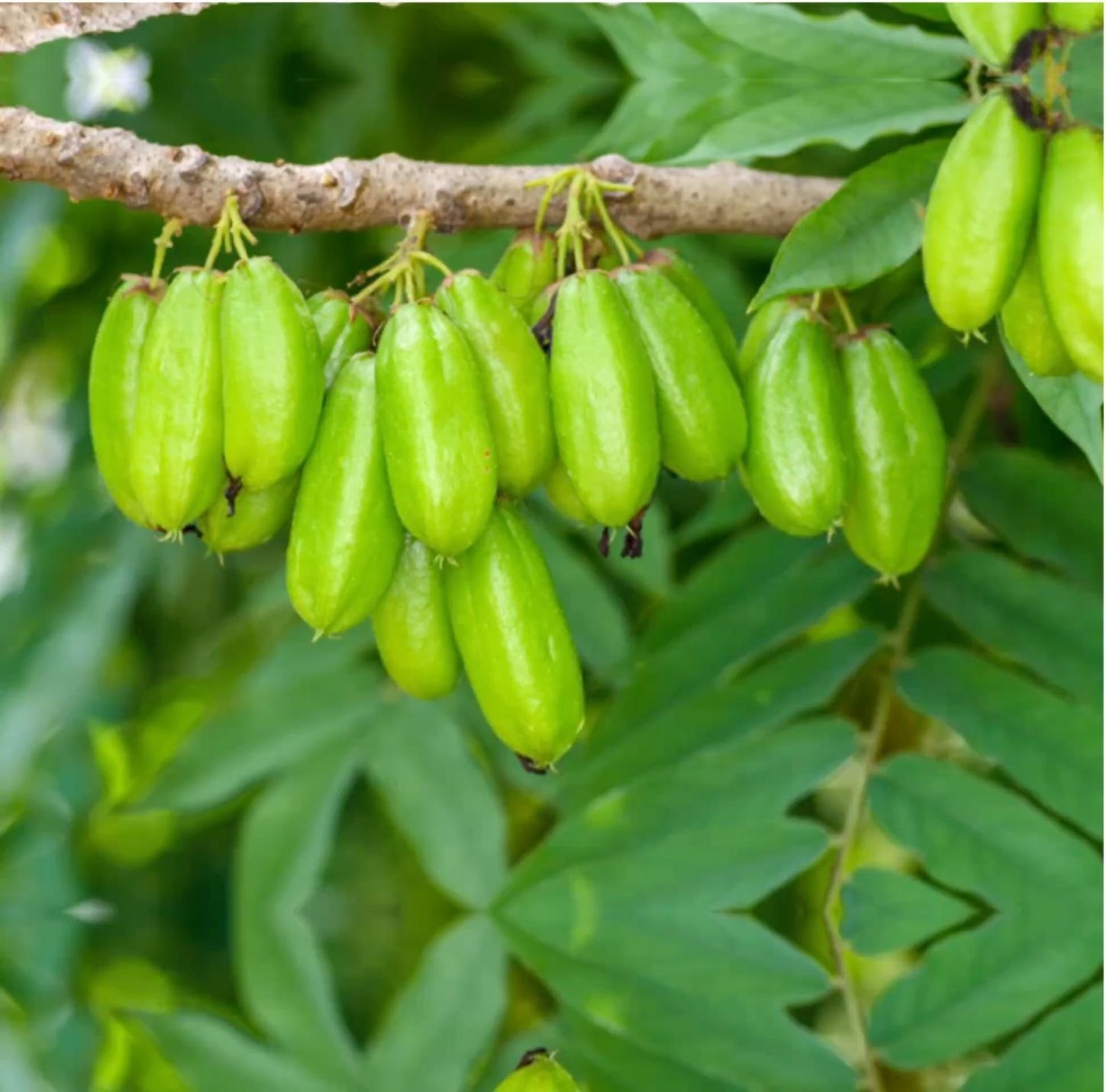
BimbliUdupi coast · drawn in rangoli dots

Your dabba deserves better achaar.

The map
Every lid
Made where it grows
The range has ker from the Kutch desert, bimbli from the Udupi coast and sea buckthorn picked above 3,000 metres in Spiti, each one made in the village it comes from.
Six jars, always on the shelf, and the same taste every time you open one. Chharma is this season's jar, picked in Spiti from August to September.
Five regions, five ways to draw
Each region has its own way of drawing, from mud and mirrors in Kutch to dot-and-dash trees in Bastar. We draw every jar, and its village mark, in the art of its place.
Keep it alive
Somewhere along the way, a lot of us stopped eating the foods that grow around us. The recipes never went anywhere. They stayed in the villages that know them by heart, while the rest of us got busy. That part is fixable, and it's a nice thing to fix. Every jar you open is a recipe that gets cooked again this year, and the year after.
The woman who makes it is the expert here, not us. So her recipe gets the credit, her time gets fair pay, and her village gets its mark on the lid. The drawings follow the same rule: every region is drawn in its own tradition, and the people whose art it is should be the ones paid to draw it.
Scan the mark: see where your jar came from, from the field to your table.
One village. One artist. One mark.
In every village we work with, one woman is the artist of taste. She knows the recipe better than anyone.
She tastes each batch against the written recipe. If it tastes the way it always does, it gets her village's mark, drawn in her region's art.
The QR beside it opens the jar's trail: the field, the village, the day it was packed and the road to your table.
How a home achaar comes together, painted in Warli, the art of South Gujarat's Dang and Valsad hills: picked by hand, salted, dried in the sun, spiced, tied under muslin and checked against the recipe before it leaves the village. Every jar follows its written recipe, so this year's garmar tastes like last year's.

Swipe to see all six steps →
Most of these start with food you already make.
Gifting
Three boxes with sleeves drawn in folk art, for birthdays, festivals and the friend who moved abroad and keeps asking for achaar.
The club
Pick any four jars for your box
Pay 10% less than buying them one by one
Hear first when the season jar is picked
One email when a new region joins or the season jar is picked. Nothing else.


